Sustainable Development Finance Assessment

Sustainable Development Finance Assessment will adapt, extend and enhance UNCTAD gap analysis tool to estimate the impact of meeting the 2030 Agenda on developing countries’ long-term debt sustainability in the context of the COVID-19 crisis. The country-specific debt sustainability assessments will move away from sequential prioritization of meeting short-run external debt obligations - which have become even more stressful in the midst of the economic fallout of COVID-19 - to a longer-term debt framework that enable developing countries to both meet their debt obligations in the long-run and to attain the SDGs, starting with Pakistan and Sri Lanka.

14 April 2021

Responding to – and recovering from – the shock of the pandemic requires enhanced capacity to diagnose fragilities, identify resources and design appropriate policy responses. Toward these aims, this policy briefing highlights 2 tools – the Global Financial Safety Net and the Sustainable Development Finance Assessment, both outputs of the DA-Project, which provide more information on short-and long-term financial alternatives for developing countries. In this context, the role that a new SDR allocation can play is also explored.
13 April 2021

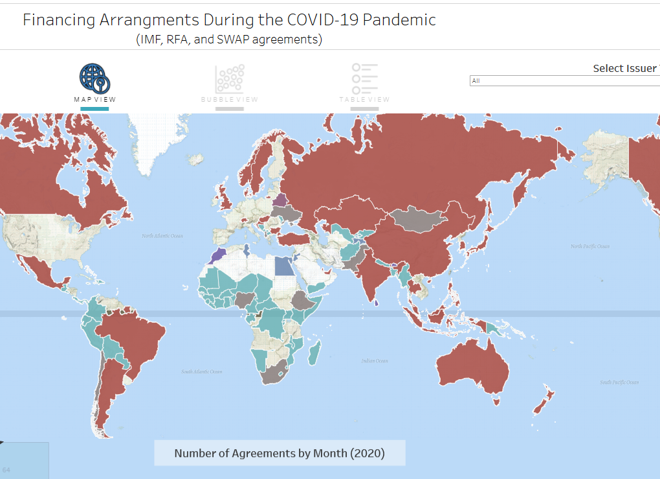
The virtual seminar aims to enhance understanding of aspects of external financial liquidity and sustainability by showcasing two developments of the COVID-19 project: 1. The UNCTAD-Boston University-Freie Universität Global Financial Safety Net Tracker, which tracks liquidity provision  for all UN member states from different sources – including the IMF, Regional Financial Arrangements and bilateral central bank swaps. 2. The Sustainable Development Finance Assessment (SDFA) – a framework which examines the capacity of developing countries to achieve the most significant SDGs in a way that is compatible with external financial and public debt sustainability.

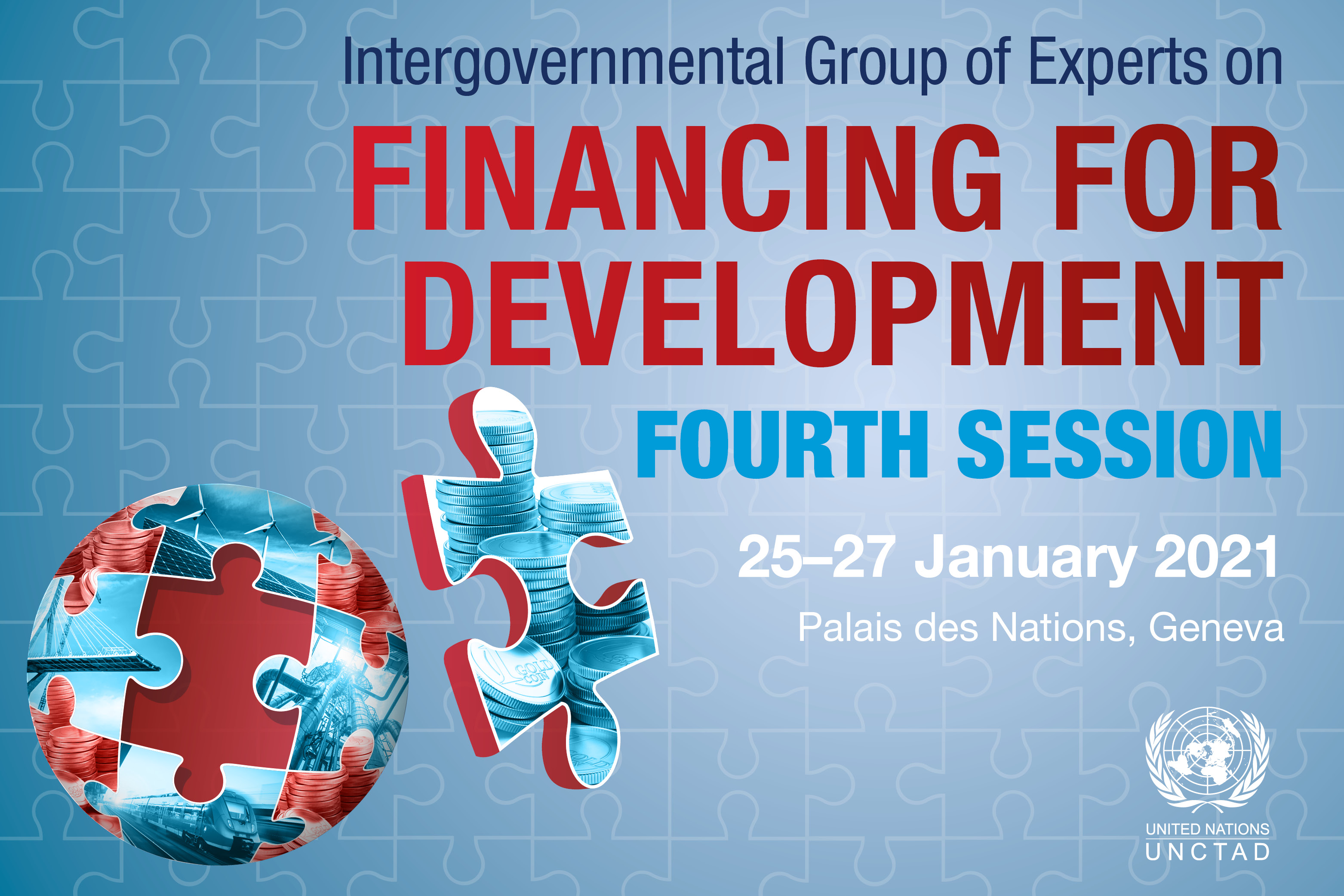
25 - 27 January 2021

The fourth session of the Intergovernmental Group of Experts on Financing for Development will discuss the following topic: "Addressing systemic issues – strengthening the coherence and consistency of multilateral financial, investment, trade and development policy".

25 September 2019

The Trade and Development Report 2019 suggests that meeting the financing demands of the Agenda 2030 requires rebuilding multilateralism around the idea of a Global Green New Deal, and pursuing a financial future very different from the recent past. The place to begin building such a future is with a serious discussion of public financing options, as part of a wider process of repairing the social contract on which inclusive and sustainable outcomes can emerge and from which private finance can be engaged on more socially productive terms.

12 October 2018

This background paper analyzes the interplay of environmental vulnerabilities, natural disasters and high levels of public debt for the mobilization of resources towards climate change adaptation and mitigation efforts in the Caribbean region. Countries in the region represent an interesting case study given their characteristics. First, countries in the Caribbean share a series of structural features which renders them vulnerable to external shocks beyond their control.